24 hours customer service +9779849693351

Chhukung Ri

Everest Region
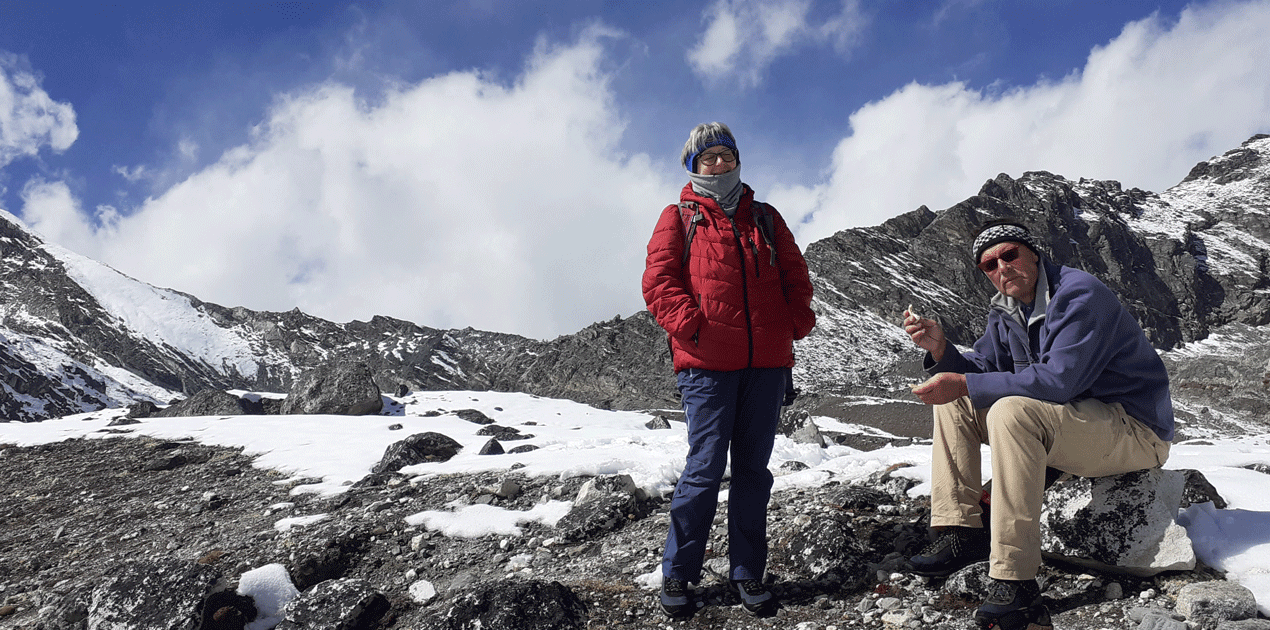
chhukung Ri peak
chhukung Ri top
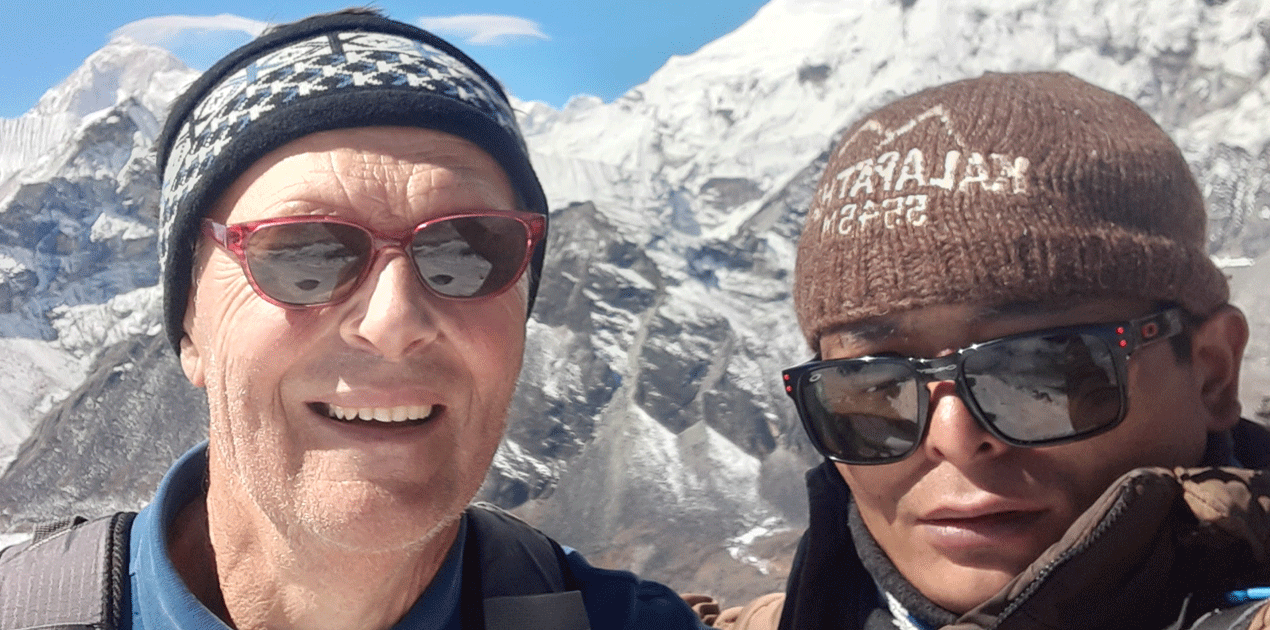
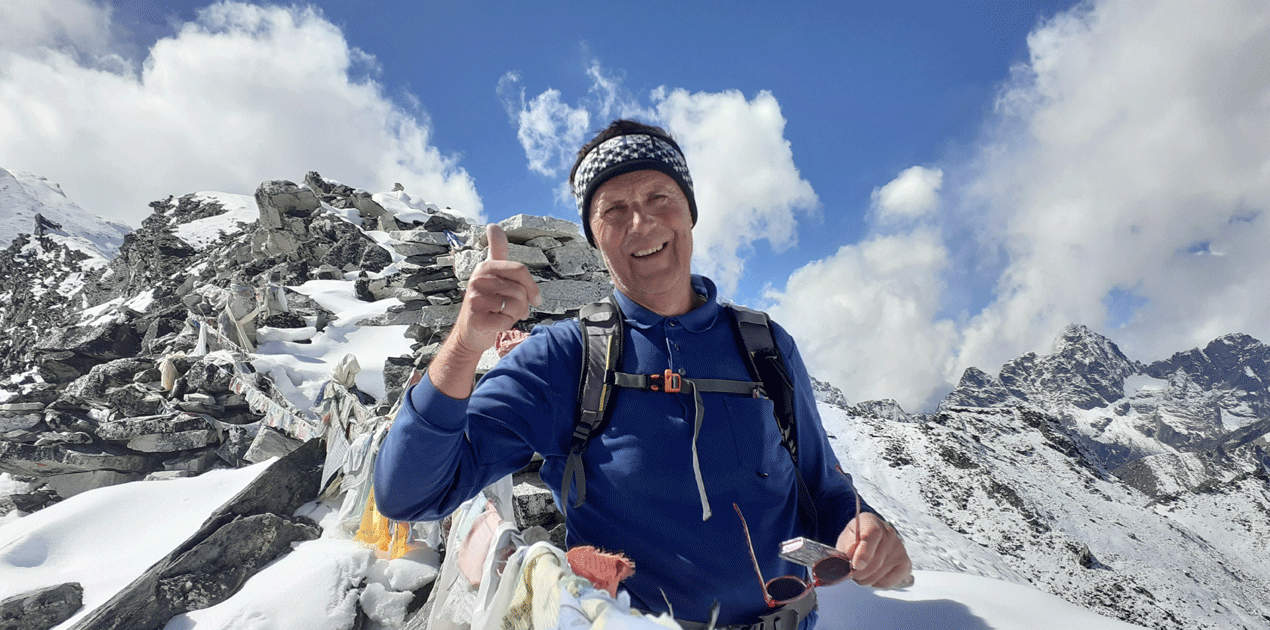
Makaraj tamang on the chhukung ri

Trip Facts

Duration : 12 Days Max-Altitude : 5550 M Program Type : tea house Best Season : April- May, Jun- Jul Sep-Oct-Nov Per Day Walking : 5/6 h Trek Grade : Grade 3:

Since the terrain can be hard and the days long, hikers on these treks should be in good physical condition and have some previous mountain walking experience. Steep climbing may be involved, although it is never necessary to use ropes. Treks at this level can he arranged for periods of 16 to 21 days. Typically, a gradual ascent through a green river valley will lead you up to a number of high passes, where you will reach the altitude of 5416m. Often times, you will get a close insight into the Tibetan culture. Participants should expect to trek above 5416m/17872ft.

100%

600 Reviews

Start From

All price inclusive
$ 1400 $ 1300
USD per person

Group Price

No. of Persons Price per Person
1 Pax $1300
2 Paxes $1260
3-6 Paxes $1250
7-10 Paxes $1240
11-15 Paxes $1230
16+Paxes $1230

Number of Travellers

Overview

Chhukung Ri Trek is a prominent peak located in the Khumbu region of Nepal, near the village of Chhukung. It’s renowned for offering stunning views of the surrounding Himalayan peaks, including Lhotse, Makalu, Ama Dablam, and the iconic Mount Everest. Standing at an altitude of 5,546 meters (18,192 feet). Chhukung Ri Trek is a non-technical peak that attracts adventurers seeking a thrilling yet accessible Himalayan experience.

In recent years, Chhukung Ri Trek has gained popularity not only for its panoramic views but also as a challenging yet accessible trekking peak for those looking to experience high-altitude trekking without technical climbing. The ascent to Chhukung Ri offers breathtaking vistas of the Himalayan range, making it a memorable experience for trekkers and climbers alike.

Discovering Chhukung Ri Trek

Chhukung Peak offers breathtaking vistas of the Everest (Khumbu) Region, showcasing iconic peaks such as Imja Tse (Island Peak, 6,189 meters/20,305 feet), Ama Dablam (6,812 meters/22,349 feet), Makalu (8,485 meters/27,838 feet), and Nuptse (7,861 meters/25,791 feet). Chhukung Ri trek provides a serene alternative, allowing trekkers to enjoy the beauty of the Himalayan landscape. It stands as one of the most popular climbing peaks in the Everest region, known for its challenging ascent and stunning summit views. Climbers often ascend Island Peak from Chhukung, spending time there to acclimatize before attempting the peak.

 Highlights of Chhukung Ri Trek

The journey to Chhukung Peak typically begins with a scenic flight from Kathmandu to Lukla (2,860 meters/9,383 feet), where the trek commences. From Lukla, trekkers embark on a picturesque trail that winds through lush rhododendron forests, attractive Sherpa villages, and across exhilarating suspension bridges spanning the Dudh Kosi River.

Cultural Immersion

Trekkers pass through vibrant Sherpa settlements like Namche Bazaar (3,440 meters/11,286 feet), Tengboche (3,867 meters/12,687 feet), and Dingboche (4,410 meters/14,468 feet). These all offer glimpses into the rich cultural heritage of the region. Namche Bazaar, a bustling trading hub, provides an opportunity to interact with local Sherpa communities renowned for their hospitality and mountaineering skill.

Chhukung Base Camp

Located at the base of Chhukung Ri, the trek’s focal point is Chhukung Ri Base Camp, where preparations for the ascent begin. Experienced guides from Nepal Wilderness Trekking manage the base camp, ensuring trekkers are equipped with the necessary knowledge and safety measures for the climb ahead. Island Peak also sits near Chhukung.

Climbing Chhukung Ri

Ascending Chhukung Ri requires approximately 3-4 hours of moderate-to-strenuous effort, making it an ideal acclimatization hike for mountaineers preparing for more challenging peaks like Imja Tse. The climb is notable for its rocky terrain and panoramic views, offering trekkers a sense of accomplishment as they reach the summit.

Location and Access

  • Region: Khumbu, Everest Region, Nepal.
  • Starting Point: The trek typically starts from Lukla, where trekkers usually fly into from Kathmandu. From Lukla, the route follows the classic Everest Base Camp trail.
  • Elevation: Chhukung Ri stands at approximately 5,550 meters (18,209 feet) above sea level.

Challenges of Chhukung Ri Trek

  • High Altitude: The primary challenge is the high altitude, which can cause altitude sickness. Symptoms include headaches, nausea, dizziness, and shortness of breath. Proper acclimatization and gradual ascent are essential to minimize the risk.
  • Steep Ascent: The climb to the summit involves steep, rocky terrain and some scrambling near the top. Trekkers need to be physically fit and have good stamina to tackle the ascent.
  • Unpredictable Weather: Weather in the Himalayas can change rapidly, with sudden snowstorms, strong winds, and low temperatures. Trekkers must be prepared for varying conditions and carry appropriate gear.
  • Physical Demands: The trek to Chhukung Ri is physically demanding, requiring endurance and strength. The combination of long trekking days, high altitude, and challenging terrain can be exhausting.
  • Limited Facilities: The remote location means limited access to medical facilities and emergency services. Trekkers should carry a basic first-aid kit and be prepared for self-sufficiency.
  • Navigation and Trail Conditions: The trail can be difficult to navigate, especially in poor weather conditions. It’s important to have a reliable map, GPS, or a guide who knows the route well.
  • Acclimatization: Spending extra days at higher elevations, like Namche Bazaar and Dingboche, is crucial for acclimatization. Rushing the ascent increases the risk of altitude-related illnesses.
  • Wildlife Encounters: While rare, encounters with wildlife such as yaks and mountain goats can occur. Trekkers should be aware of their surroundings and respect the local fauna.
  • Mental Toughness: The combination of physical exertion, high altitude, and isolation can be mentally taxing. Maintaining a positive attitude and staying motivated are key to successfully reaching the summit.

Ascent of Chhukung Ri trek

  • Difficulty: Moderate to strenuous. The climb involves a steep, rocky trail with some scrambling near the summit.
  • Duration: The ascent and descent can be completed in a day. It typically takes 4-6 hours to reach the summit and about 2-3 hours to descend back to Chhukung.
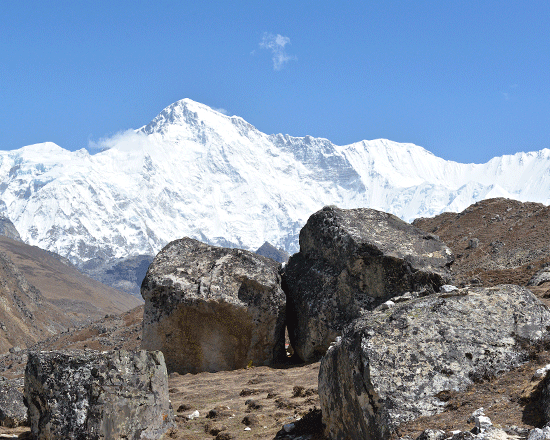
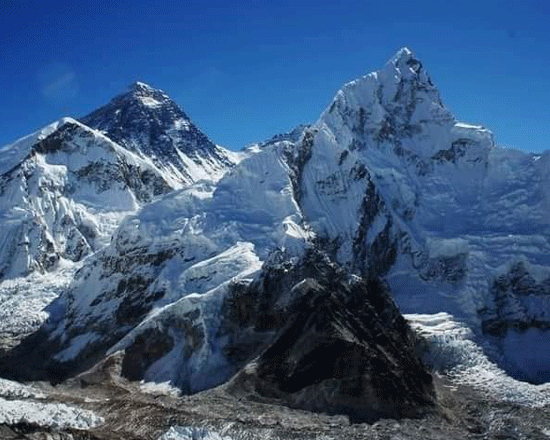
  • View: From the summit, you will be rewarded with panoramic views of Everest (8,848 meters), Lhotse (8,516 meters), and Nuptse (7,861 meters). And in other side, you will encounter the Makalu (8,485 meters), Baruntse (7,129 meters), and Ama Dablam (6,812 meters).

Preparation and Gear

  • Physical Fitness: Good physical fitness is essential due to the high altitude and steep climbing.
  • Acclimatization: Proper acclimatization is crucial. Spending extra days at higher elevations, like Namche Bazaar and Dingboche, helps reduce the risk of altitude sickness.
  • Gear: Standard trekking gear, including warm clothing, sturdy boots, trekking poles, and a good-quality backpack. For the ascent, crampons might be necessary depending on the season and snow conditions.

Best Time for Chhukung Ri Trek

  • Pre-monsoon(Spring): Late March to May, this season offers stable weather and blooming rhododendrons.
  • Post-monsoon (Autumn): Late September to November, mostly clear skies and stable conditions make it the most popular trekking season.

During these periods, the weather is generally stable, with clear skies and comfortable temperatures. This is helpful for trekking and enjoying the scenic beauty of the Himalayas.

Environmental Considerations

  1. Water: Safe drinking water is crucial. Trekkers should purify water or buy bottled water from lodges.
  2. Waste Management: Trekkers are encouraged to follow eco-friendly practices, such as carrying out their trash and using designated waste disposal areas to minimize environmental impact.

Trash Removal Efforts

  1. Clean-up Campaigns: Various organizations, both local and international, conduct regular clean-up campaigns. The Sagarmatha Pollution Control Committee (SPCC) organizes annual clean-up drives, collecting tons of waste from the region.
  2. Everest Summiteers Association: This group, along with other NGOs, has undertaken significant efforts to clean up the higher camps and Everest Base Camp.

Waste Management Facilities

  1. Sagarmatha Pollution Control Committee (SPCC): The SPCC manages waste by setting up collection points along the trekking routes and at Base Camp. They also educate locals and trekkers about proper waste disposal.
  2. Recycling Centers: In villages like Namche Bazaar and Lukla, there are facilities to sort and recycle waste. Organic waste is composted, while non-biodegradable waste is transported to lower altitudes for disposal.

Experience with Nepal Wilderness Trekking

Nepal Wilderness Trekking ensures safety and enriching experiences with expert guides. For more trekking adventures in Nepal, consider exploring options like the Three Passes Trek, Ganesh Himal Base Camp Trek, Gokyo Ri Trek, and Langtang Valley Trek.

Conclusion

The Chhukung Ri trek is more than just a climb; it’s an immersion into the heart of the Himalayas, where every step offers a new perspective of this awe-inspiring landscape. Whether you’re a seasoned trekker or embarking on your first Himalayan adventure, Chhukung Ri promises unforgettable moments and a deeper appreciation for Nepal’s natural wonders.

Embark on the Chhukung Ri trek and discover the serenity of the Himalayas, where adventure meets tranquility, and every summit offers a glimpse of Everest’s majestic realm.

Note

All published dates are guaranteed to depart. If these dates don’t match your travel plans, we are happy to create a trip for your desired dates. Let us know what kind of trip you are looking for, and we will help make your dream destination a reality.


Detail Itinerary

Flight Duration: ~35–40 minutes
Trek Duration: ~4 hours

Begin your Himalayan journey with one of the world’s most scenic mountain flights from Kathmandu to Lukla, landing at the famous Tenzing-Hillary Airport surrounded by dramatic Himalayan peaks. After meeting your trekking crew, the trail gently descends through stone-paved paths, pine forests, and small Sherpa settlements along the Dudh Koshi River.

You will cross several suspension bridges decorated with prayer flags, passing local villages and mani walls that reflect deep Buddhist culture. The walk is gradual and perfect for acclimatization as you make your way to Phakding.

Phakding is a peaceful riverside village where trekkers spend their first night in the Everest region, surrounded by the sound of flowing river and distant mountain views.
Overnight: Teahouse in Phakding

Trek Duration: ~6 hours
Elevation gain: +790m

Today’s trek follows the Dudh Koshi Valley through pine and rhododendron forests, crossing multiple suspension bridges including high-altitude river crossings over turquoise water. You enter Sagarmatha National Park, a UNESCO World Heritage Site, where permits are checked at Monjo.

The final climb toward Namche Bazaar is steep and demanding, but the reward is your first distant glimpse of Everest and surrounding peaks such as Thamserku and Kusum Kanguru. Namche is the vibrant heart of the Khumbu region, filled with bakeries, cafes, gear shops, and Sherpa culture.
Overnight: Teahouse in Namche Bazaar

Hiking Duration: ~3 hours

This important acclimatization day includes a scenic hike to the Everest View Hotel, one of the best viewpoints in the region. From here, you can see Everest, Lhotse, Ama Dablam, and surrounding Himalayan giants rising above the valleys.

After returning to Namche, you may visit the Sherpa Museum and Hillary Museum, which showcase mountaineering history, local traditions, and early Everest expeditions. In the evening, a documentary or slideshow presentation is often available, giving deeper insight into the region’s climbing heritage.

Namche also offers a great opportunity to rest, explore local bakeries, and interact with the Sherpa community.
Overnight: Teahouse in Namche Bazaar

Trek Duration: ~5–6 hours
Elevation gain: +410m

The trail begins with a gradual descent through forests filled with rhododendron and pine before crossing the Dudh Koshi River at Phunki Tenga. From here, a steady uphill climb leads to Tengboche.

Tengboche is one of the most spiritual places in the Everest region, home to the famous Tengboche Monastery, the largest Buddhist monastery in the Khumbu. The monastery sits with a spectacular backdrop of Ama Dablam, Everest, and Nuptse, offering one of the most iconic mountain views in Nepal.

You may witness prayer ceremonies and monks chanting in the evening, creating a peaceful and spiritual atmosphere.
Overnight: Teahouse in Tengboche

Trek Duration: ~4 hours
Elevation gain: +500m

Today’s trek enters higher alpine terrain as the forest slowly disappears and the landscape becomes more rugged and open. The trail descends briefly to Debuche and crosses the Imja Khola before gradually climbing toward Pangboche, the oldest Sherpa village in the region.

As you continue, the towering peaks of Ama Dablam and Lhotse dominate the skyline. The valley opens into Dingboche, a beautiful high-altitude settlement surrounded by stone-walled fields designed to protect crops from strong mountain winds.
Overnight: Teahouse in Dingboche

A crucial rest day for proper altitude adaptation. You can take short hikes to nearby ridges such as Nangkartshang Peak, which offers breathtaking views of Makalu, Island Peak, and the Imja Valley.

This is an important stage of the journey where your body adjusts to thinner air, preparing for higher elevations ahead. Dingboche is a quiet and scenic village, ideal for rest, photography, and relaxation.
Overnight: Teahouse in Dingboche

Trek Duration: ~3 hours
Elevation gain: +380m

A short and gradual ascent leads you deeper into the Imja Valley. The trail becomes more rugged, with dramatic views of Island Peak, Lhotse, and surrounding glaciers.

Chhukung is a small high-altitude settlement often used as a base for Island Peak climbers. The atmosphere is quiet and surrounded by massive Himalayan walls, making it ideal for preparation and acclimatization.
Overnight: Teahouse in Chhukung

Trek Duration: ~5–6 hours round trip
Elevation gain: +820m

An early start leads to a challenging climb up Chhukung Ri, one of the best viewpoints in the Everest region. The trail is steep and rocky but rewards you with panoramic views of Makalu, Lhotse, Ama Dablam, Baruntse, and Island Peak.

From the summit, you get a full Himalayan panorama that feels close enough to touch. After spending time at the top, descend carefully back to Chhukung for rest.
Overnight: Teahouse in Chhukung

Trek Duration: ~6 hours
Elevation loss: -745m

Descend through the Imja Valley, retracing alpine landscapes with changing perspectives of glaciers and mountain ridges. The trail passes Dingboche and continues down to Pangboche.

Pangboche is a culturally rich Sherpa village known for its ancient monastery and strong spiritual traditions linked to Himalayan climbing history.
Overnight: Teahouse in Pangboche

Trek Duration: ~5 hours
Elevation loss: -545m

Continue descending through rhododendron forests and suspension bridges over the Dudh Koshi River. The trail feels easier as oxygen levels improve.

Return to Namche Bazaar for a comfortable overnight stay, enjoying bakeries, shops, and a lively mountain atmosphere.
Overnight: Teahouse in Namche Bazaar

Trek Duration: ~7 hours
Elevation loss: -600m

Your final trekking day follows the Dudh Koshi River back through Monjo, Phakding, and surrounding villages. The route retraces suspension bridges, forests, and cultural settlements, offering time to reflect on the journey.

Arrive in Lukla and celebrate the completion of your Everest trekking experience.
Overnight: Teahouse in Lukla

Flight Duration: ~35–40 minutes

Take an early morning flight back to Kathmandu, enjoying final aerial views of the Himalayas. Upon arrival, transfer to your hotel and rest after your unforgettable Everest region adventure.
Overnight: Hotel in Kathmandu

Cost Included

  • Domestic flights from Kathmandu to Lukla and Lukla to Kathmandu
  • Meals: Italian, Chinese, Nepali, Indian, and various European dishes are available three times a day breakfast, lunch, and dinner. One main course is provided per meal during the trek.
  • Accommodation at the tea houses according to the itinerary
  • Organize your belongings with this kitbag
  • Sleeping bag for a comfortable night on a trek in minus-25 degrees
  • Trekking Permit for Everest National Park
  • Permit for entry into Khumbu Pasang Lhamu Rural Municipality
  • Experienced English-speaking, government-licensed trekking guide
  • One porter is provided for every two to three participants. (Note: Solo clients who require a porter will incur an additional cost.)
  • Meals, accommodation, salary, and insurance for guides and porters
  • Governmental paperwork, local taxes, and all necessary paperwork

Cost Excluded

  • International flight tickets
  • Arriving at Tribhuwan International Airport, Nepal entry visa fees vary by duration (15 days - $25-30, 30 days - $60).
  • Accommodations and meals in Kathmandu before and after our trip
  • Personal protective equipment for high and low temperatures
  • Travel insurance covers high-altitude rescue and evacuation in an emergency
  • All beverages, Soft drinks, caffeinated drinks, such as Coke and beer,
  • Water/mineral water, Dessert, etc. Laundry, hot shower
  • Gratuity for the guide and porter
  • All costs and expenses not listed under "cost include" are excluded.
  • Costs or delays outside the control of the management, such as landslides, weather, itinerary changes due to safety concerns, illness, changes in government policies, strikes, etc.

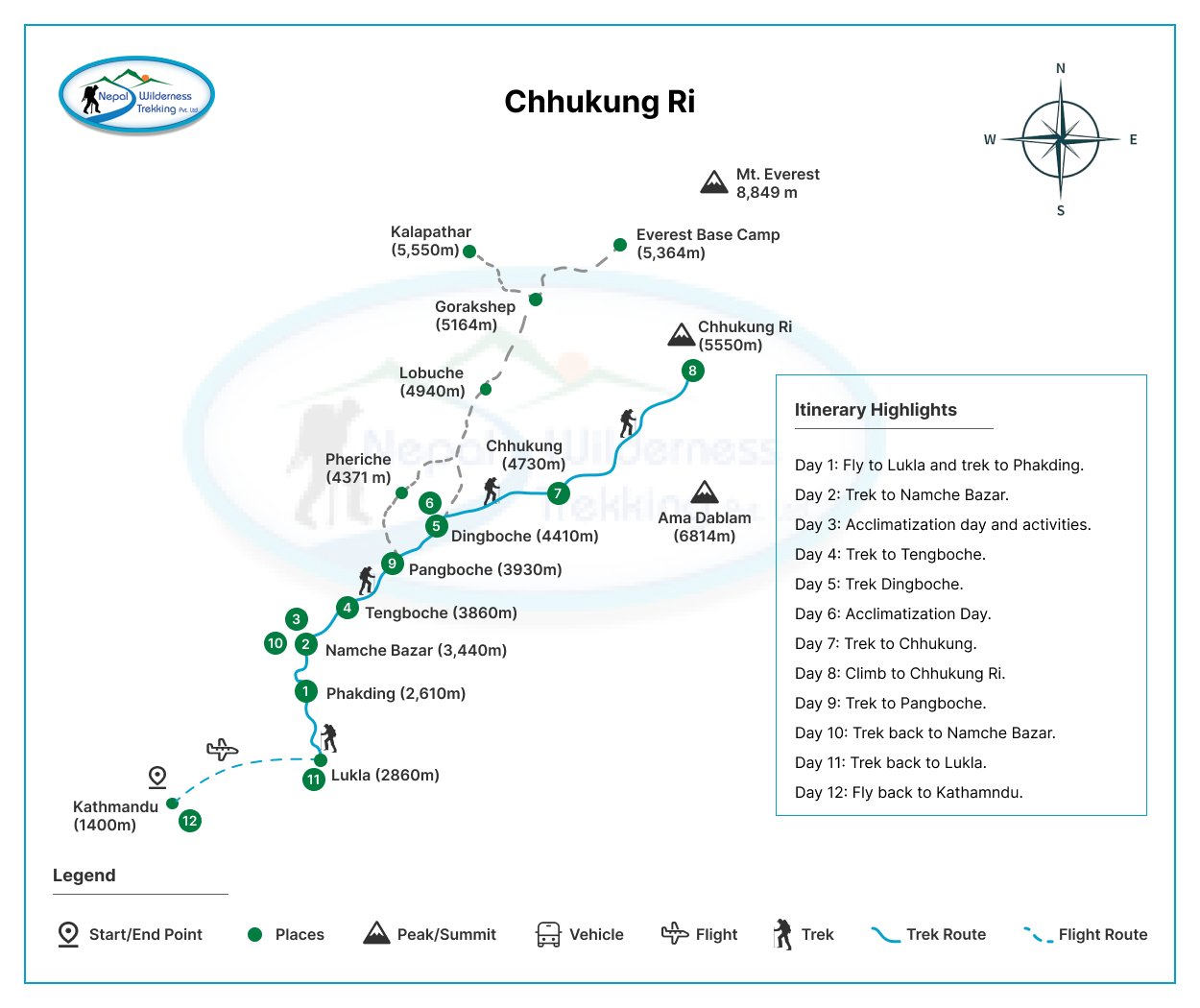
Trip Map

Enquiry


Similar Packages

Sign Up for free newsletter
Follow Us